
Signs It's Time to Replace Your Professional Headshot
Most professionals hold onto their headshots way too long. Not because they're lazy. Because nobody told them the rules.
I've photographed hundreds of professionals across Montgomery County and the Washington DC area. The number one thing I hear when someone finally books a session? "I should have done this years ago."
Here's how to know when that moment is now.
At a Glance: Signs You Need a New Professional Headshot
● Your appearance has changed
● Your photo is more than 3 years old
● Your role or company has changed
● You're going after leadership positions or new opportunities
● Your LinkedIn photo looks nothing like you today
● Your personal brand has evolved
Why Your Headshot Matters More Than Ever
Before a client emails you back. Before a recruiter reaches out. Before a speaking opportunity lands in your inbox.
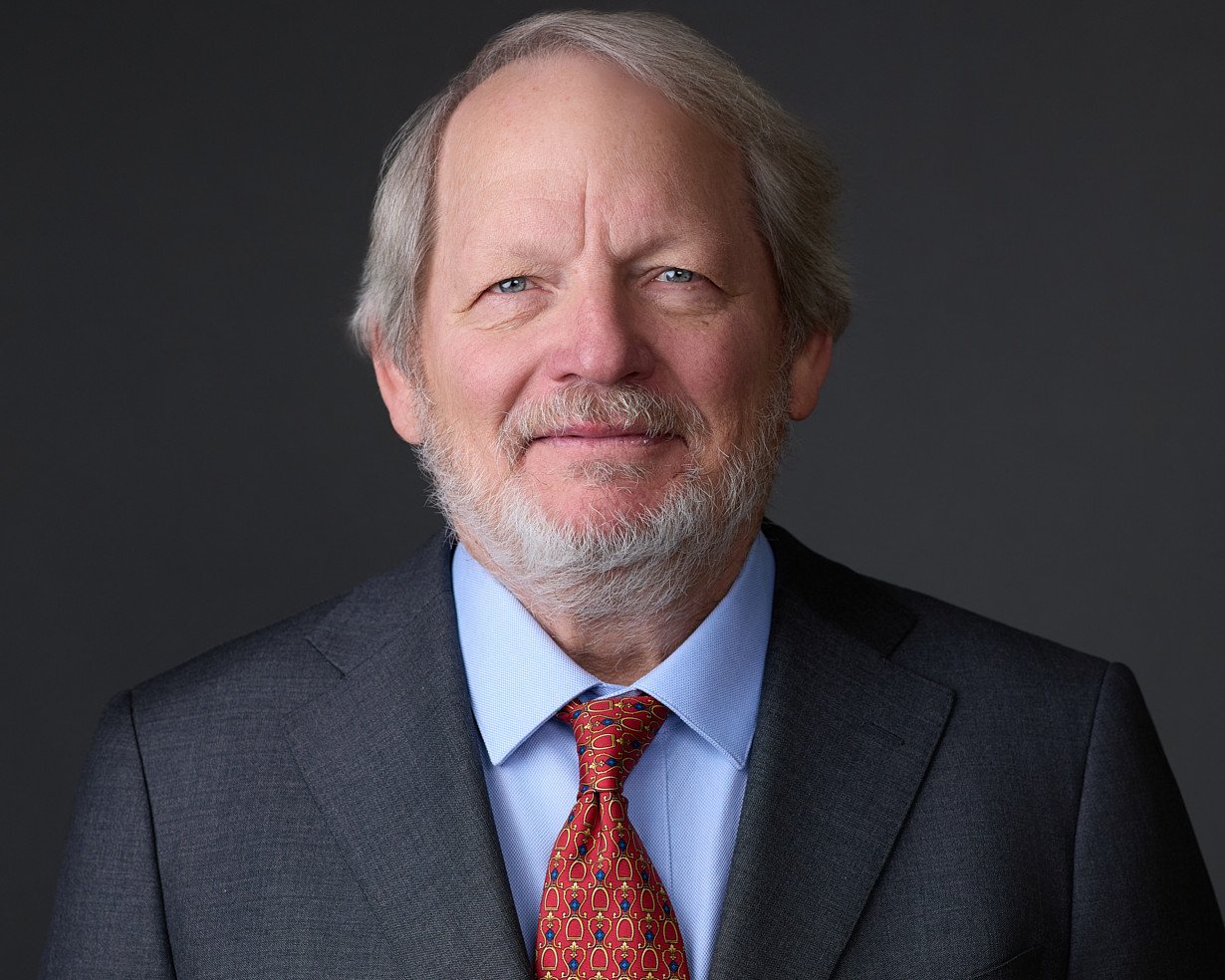
Someone is already Googling you.
They're pulling up your LinkedIn profile, your company website, maybe your bio on a conference page. And in less than a second, they're forming an opinion about whether you're someone worth taking seriously.
Research by psychologists Janine Willis and Alexander Todorov at Princeton University shows that people make judgments about trustworthiness and competence from a face in about 100 milliseconds. That's before they read your headline. Before they read anything.
I've heard it directly from decision-makers: the photo shapes the whole first impression. A strong professional headshot communicates confidence, credibility, and approachability before you've said a word. An outdated one raises questions you don't want people asking before they've even met you.
9 Signs It's Time for a New Headshot
1. Your Appearance Has Changed
This is the most common reason I see and the most overlooked.
Hair color, hairstyle, facial hair, glasses, weight. Any meaningful change in how you look means your headshot is no longer an accurate picture of who you are today.
When someone meets you in person after seeing your LinkedIn photo and has to do a double take, that's a problem. I've had clients tell me their headshot was so old that colleagues didn't recognize them at a conference. That's not a great first impression.
You don't need to look exactly like your photo. You need to look like a current, recognizable version of yourself.
2. Your Job Role Has Changed
Got promoted? Launched a business? Changed industries?
Your headshot should match the professional identity you're stepping into, not the one you're leaving behind. Executive headshots carry a different energy than entry-level portraits. Business owner branding photography looks different from a corporate staff photo.
If your role has changed and your headshot hasn't, there's a mismatch people can sense even when they can't name it.
3. You're Using the Same Photo Everywhere
LinkedIn. Company website. Speaker bio. Email signature. Press kit.
If all of those are running the same five-year-old photo, the problem isn't consistency. It's that your consistency is built on an outdated image.
A fresh session gives you a set of images that let you be consistent AND current across every platform at the same time.
4. Your Company Updated Its Branding
A lot of companies refresh their visual identity every few years. New colors, new tone, new website.
If your team headshots were taken before that rebrand and they no longer match the look and feel of your firm, you're sending a mixed message to everyone who visits that team page. Cohesive corporate headshots matter, and when the company website looks like 2026 but the team page looks like 2019, people notice.
5. The Image Quality Looks Older and Dated
Camera technology and lighting techniques have changed dramatically. A headshot taken years ago can look flat, muddy, or soft on a modern display, even if it was perfectly fine when it was taken.
I look at headshots every day, and I can usually tell within a few seconds what era a photo is from. If I can tell, so can a recruiter or a potential client.
It's not about being vain. It's about being taken seriously.
6. Your Competitors Look More Polished
Pull up a few LinkedIn profiles in your industry. Look at the people you compete with for clients, opportunities, or speaking slots.
If their headshots look current and yours doesn't, that gap is visible to everyone evaluating both of you. You don't need to out-spend anyone. You just need to look like you belong at the table.
7. You're Speaking Publicly or Growing Your Platform
Conference organizers, event hosts, podcast producers, and media contacts all need a current, high-quality headshot on file. If you're being asked to show up at a higher level professionally and you're sending them a photo that no longer looks like you, that's worth getting ahead of.
I work with a lot of speakers and executives who need headshots ready for press coverage, Forbes contributor bios, and industry features. The photos from those sessions often end up being some of the most-seen images of their careers. They need to be good.
8. You're Actively Networking or Job Searching
This is when your headshot has the most leverage.
LinkedIn's own data shows that profiles with professional photos receive 21 times more profile views and up to 9 times more connection requests than profiles without one. A professional headshot tells the other person you take yourself seriously. And that you're worth taking seriously too.
If you're putting yourself out there, make sure your photo is working as hard as you are.
9. It's Over 2 to 3 Years Old
If you can't remember when your current headshot was taken, that's your answer right there.
Even if your appearance hasn't changed dramatically, headshot styles have. The work I'm doing now looks very different from what I was doing even three or four years ago. Modern business headshot photography has moved away from the stiff, tight, corporate-against-a-gray-wall look. Current professional portraits are more natural, more expressive, more human.
A photo that was perfectly fine in 2022 can read as dated in 2026.
How Often Should You Replace a Professional Headshot?
In my experience, the answer really depends on who you are and what you're using the photo for.
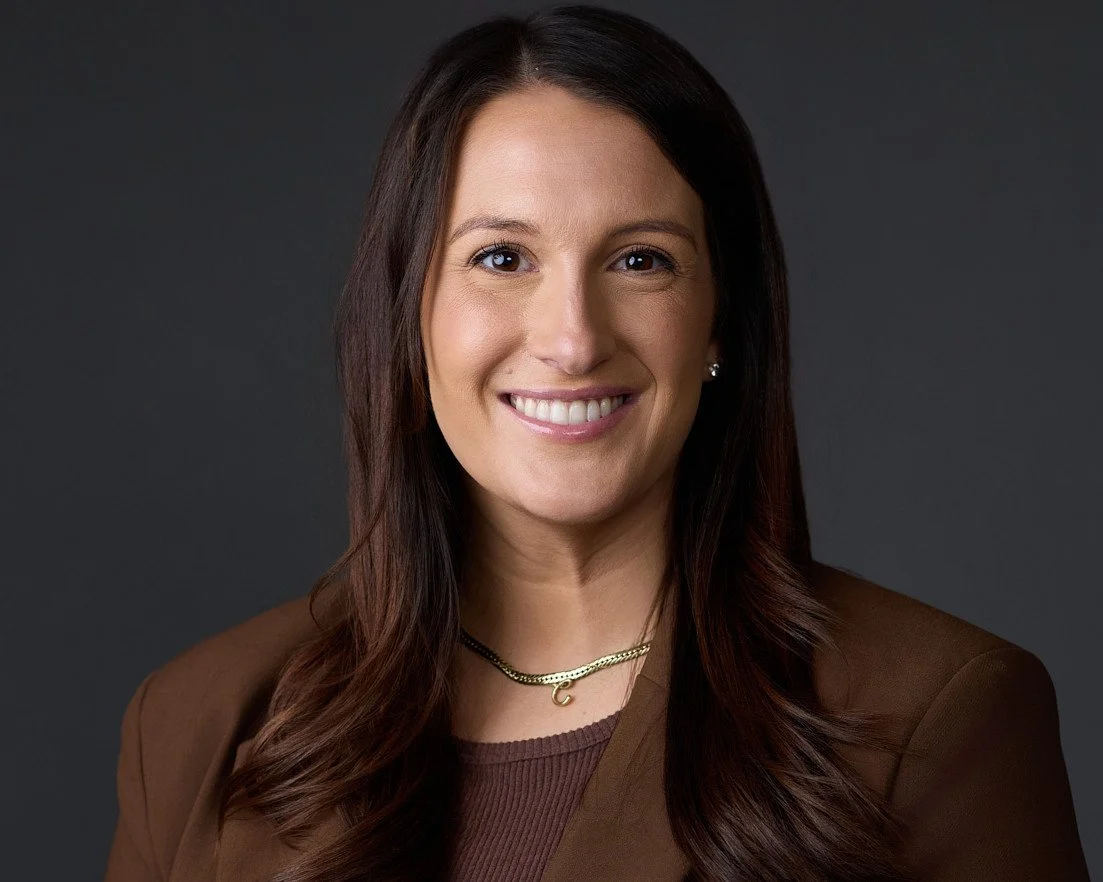
Executives and senior leaders: I recommend updating every 2 to 3 years, or when your role or company changes. Your headshot appears on press coverage, board bios, company websites, and speaking profiles. It needs to stay current.
Entrepreneurs and business owners: I'd say closer to every 1 to 2 years, especially if you're actively building your personal brand. Your face is your brand. A stale image signals that you've stopped investing in how you show up.
Job seekers: Before every major job search. Full stop. A fresh LinkedIn headshot is one of the lowest-cost, highest-impact things you can do before you start applying.
Creatives and public speakers: Whenever your platform shifts, be it a new project, new chapter, or new level of visibility, update the photo to match.
My general rule: if you hesitate when someone asks for a current headshot, you need a new one.
What Happens When You Don't Update Your Headshot?
Nothing obvious. That's the problem.
The damage from an outdated professional headshot is quiet. You don't get a notification when a recruiter passes on your profile because the photo looked off. You don't know when a potential client chose someone else. You don't see the double take when someone meets you in person and realizes you look different from your photo.
Here's what's actually happening when your headshot is out of date:
● Mismatched expectations: When you don't look like your photo, the first few seconds of any in-person meeting are spent recalibrating. That's not the mental energy you want to occupy before a conversation even starts.
● Reduced trust: An outdated image signals a gap between how you present yourself and who you actually are. Small inconsistencies erode trust, even unintentional ones.
● A weaker personal brand: Your online presence is your brand's storefront. If the window display is outdated, people make assumptions about everything behind it.
● Missed opportunities: You'll never know when someone looked you up, decided they weren't impressed, and moved on. It just happens silently.
Before You Book a Session
If you've read this and decided it's time, here's what I want you to think about before we work together.
Clothing: Solid colors photograph better than busy patterns. Wear something that reflects your industry and the version of yourself you're stepping into. Bring two or three options. I send every client a detailed prep guide before their session so nothing is left to guesswork.
Grooming: Get a haircut a week before your session, not the day of. Haircuts need a day or two to settle and look natural.
Expression: This is the thing most people underestimate. A great headshot isn't about looking professional. It's about looking like a trustworthy, confident, genuine version of yourself. That takes real coaching, not just a shutter click. Expression direction is a big part of what I do in every session.
Purpose: A LinkedIn headshot for a job seeker looks different from executive headshots for a law firm. A personal branding session looks different from a company team shoot. The more clearly you know what you're walking in to create, the better your results will be.
What to Wear for Your Headshot
One session. A couple of hours. Images that actually represent who you are right now.
Related: What Makes a Great LinkedIn Headshot? | LinkedIn Headshots | Business Headshots
Frequently Asked Questions
How often should professionals update their headshots?
Every 2 to 3 years is my general guideline, but the real answer is whenever something significant has changed. A new role, a major appearance change, a brand shift, or an upcoming speaking engagement all justify a new session. If you're actively job searching or growing your visibility, sooner is better.
Can an old headshot actually hurt my career?
Yes, in ways that are hard to measure but real. An outdated photo creates a disconnect between your online presence and who you are today. It can reduce LinkedIn engagement, create an awkward first impression in meetings, and quietly signal that you're not actively investing in your professional image. Decision-makers notice, even when they don't say anything.
Should my LinkedIn photo match my company website headshot?
They don't need to be identical, but they should feel consistent. Same person, same level of polish, same general era. If your company website headshot is five years old and your LinkedIn photo is current, the gap is visible to anyone who looks at both. Ideally, both come from sessions that are close in time.
Is a selfie acceptable for LinkedIn?
For most professionals, no. A selfie tells people either you don't know the difference or you don't think it matters. LinkedIn is a professional platform. A professional headshot is the baseline expectation. And the investment is smaller than most people assume.
Do executives need different headshots than other professionals?
The standard is higher, not just different. Executive headshots appear in more high-visibility places: board bios, press coverage, industry publications, speaking profiles. The level of polish, the energy the photo conveys, and the consistency across platforms all matter more at the leadership level.
What makes a headshot look outdated?
A few things: an appearance that no longer matches, lighting styles that were common years ago, backgrounds that feel dated, and an overall stiffness that has fallen out of step with how modern professional portraits are done. Current headshots tend to be more natural, more expressive, and more human.
How much does a professional headshot session cost in the DC area?
Sessions in the Montgomery County and Washington DC area typically range from a few hundred to over a thousand dollars for full personal branding packages. The more useful question is what an outdated headshot is already costing you in missed opportunities.