
Why Your Headshot Isn't Connecting (And What Warmth Cues Can Fix)

Most people walk into a headshot session thinking about one thing: looking professional.
Sharp outfit. Good posture. Serious expression.
And then they see their photos and wonder why they look so... stiff. Unapproachable. Like they're about to fire someone.
Here's what most photographers won't tell you, professionalism without warmth is actually working against you.
The Science Behind First Impressions
Researcher Vanessa Van Edwards studies the science of human behavior and first impressions. Her work shows that when people encounter someone new, in person or in a photo, they're asking two questions almost simultaneously:
Can I trust this person?Can I respect this person?
Trust comes first. Always.
Warmth signals answer that first question before competence ever gets a chance to speak. If your headshot doesn't communicate warmth, viewers never fully engage with the competence you're trying to project.
In other words, people need to feel safe with you before they'll hire you. We’ve all heard it a million times, we do business with people we like and trust.
What Are Warmth Cues?
Warmth cues are subtle signals your face and body send that tell people you're approachable, genuine, and trustworthy. They happen naturally in real life but disappear the moment most people step in front of a camera.
That's where coaching comes in.
Here are the warmth cues I work on with every client:
Authentic Smiles
Not all smiles are created equal — and your audience knows the difference even if they can't explain why.
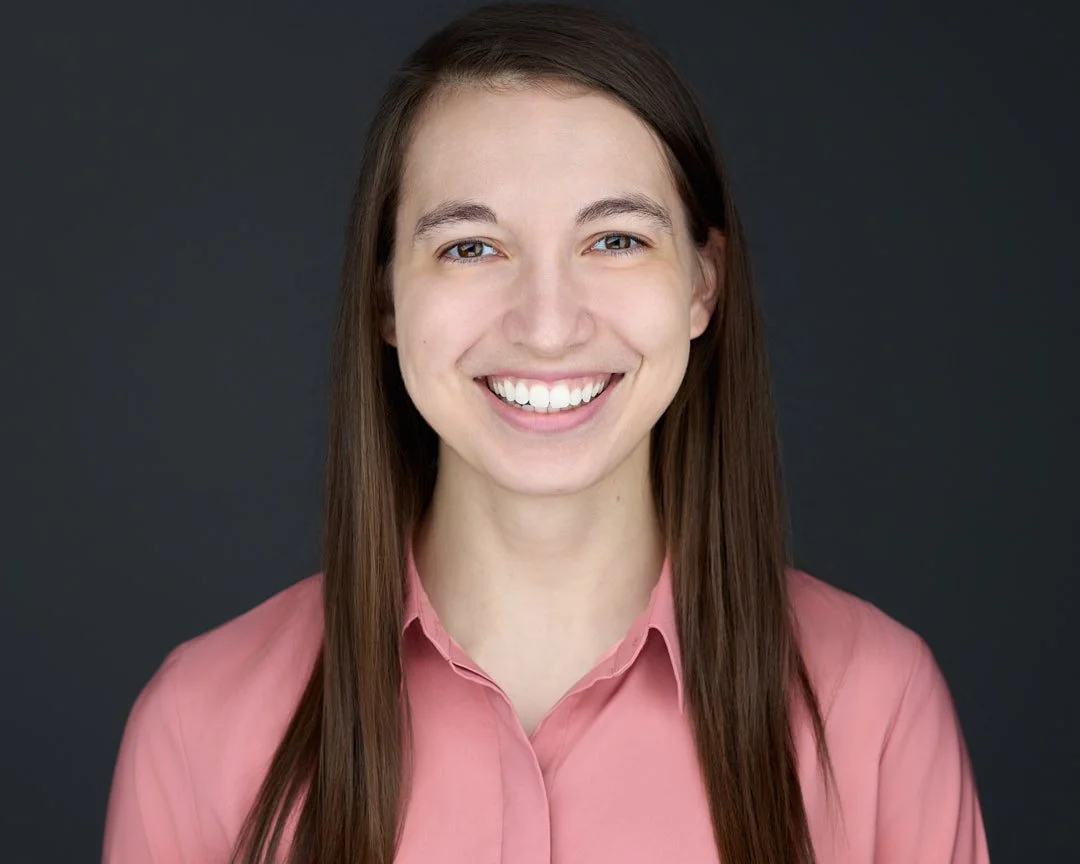
A genuine smile involves two things: the corners of your mouth turning up AND the muscles around your eyes engaging. Those little crow's feet at the corners of your eyes? They're not a flaw. They're proof your smile is real. Without them, we know you’re faking it!
A forced smile only moves your mouth. Your eyes stay flat. And viewers feel it instantly, they just can't articulate what's off. They walk away with a vague sense that something feels inauthentic.
This is why I never just say "smile" during a session. Instead I use prompts, questions, and genuine moments to pull out real expressions. The difference between a real smile and a posed one is the difference between a headshot people respond to and one they scroll past.
The Head Tilt
This is one of the most powerful and most overlooked warmth signals in photography.
A slight tilt of the head, just a few degrees will communicate openness and curiosity. It says I'm listening. I'm engaged. I'm interested in you.
It's the visual equivalent of leaning in during a conversation. Though leaning is a real cue that we’re listening intently.
A perfectly straight, level head reads as neutral at best and authoritative at worst. For some industries that works but we'll talk about that in the competence cues post. But if your goal is to look approachable and human, a subtle head tilt is one of the fastest adjustments we can make.
We have to be careful with this one, if go too far it can look “ditsy” or worse, like your high school yearbook photo!

Nice genuine smile, you can notice the crows feet and narrowed eyes.
Open Body Language
We covered blocking in depth in the crossed arms post — go read that if you haven't — but it bears repeating here in the context of warmth.
Open body language means no barriers between you and the viewer. Arms relaxed, shoulders down, chest open, nothing crossed or clutched.
But warmth goes beyond just removing barriers. It's about actively creating openness. A slight forward lean. Relaxed hands. Space between your arms and your torso.
These signals say: I have nothing to hide. I'm here. I'm present. You can trust me.

Why This Matters More Than Your Outfit
I've photographed hundreds of professionals across Montgomery County, Rockville, Bethesda, and Washington DC. And the single biggest difference between a headshot that generates business and one that sits on a LinkedIn profile unnoticed isn't the backdrop, the lighting, or the outfit.
It's whether the person in the photo feels human.
Warmth cues are what make you feel human. They're what make a stranger look at your photo and think I'd like to work with that person before they've read a single word of your bio.
In Your Next Session
Here's what I want you to take away from this:
A great headshot isn't about looking your most polished. It's about looking like the best, most trustworthy version of yourself.
Warmth cues, the head tilt, the genuine smile, the open posture, the engaged chin position, are the tools that get you there. And they're not things you figure out alone in front of a camera.
They're things we build together during your session, in real time, until the image on the back of that camera actually looks like you.
Learn more about my Linkedin Headshots
Ready to book your session?