
The Difference Between a Good Headshot and a Great One
Most actors walk out of a session with photos that are technically fine.
Good lighting. Decent framing. Sharp focus. Nothing obviously wrong.
And then those photos sit in their submission folder, and they don’t seem to create the opportunities they were hoping for, and they cannot figure out why.

Here is the thing: good and great are not separated by equipment, backdrop color, or how expensive the session was. They are separated by something a lot harder to manufacture.
A Good Headshot Checks the Boxes
A good headshot does what it is supposed to do on a technical level. It is well-lit. The framing is correct. You are in focus and the background is not competing with your face.
That is actually harder to get wrong than most people think, and a lot of photographers stop there.
A technically correct headshot is a baseline, not a destination. Casting directors are looking at hundreds of submissions. A clean, competent photo gets you past the first filter. It does not get you called in.
A Great Headshot Does Something Else Entirely
A great headshot makes someone stop.
Not because of a clever backdrop or a dramatic lighting setup. Because the person in the photo feels present. You get the sense that something is happening behind the eyes. That there is a real person there, not someone who was told to look natural and is trying very hard to do that.
That quality is almost impossible to fake. And it is almost always the result of what happened in the room during the session, not what happened in post.
The Expression Is Where It Lives
You can have great lighting and a dead expression and end up with a photo that technically looks fine and does absolutely nothing for your career.
You can also have imperfect lighting and an expression that is so alive and specific that casting wants to meet you.
The expression is not just a smile or a look. It is a specific emotional state that reads as both intentional and authentic. A great theatrical headshot gives a casting director something to wonder about. A great commercial headshot makes someone feel like they already know you.
Those are two very different targets, and neither one shows up by accident.
Why "Just Be Yourself" Does Not Work
This is the note a lot of actors get before a session. Relax. Be yourself. Just act natural.
The problem is that standing in front of a camera with someone pointing a lens at your face is not a natural situation. Your body knows that. Your face knows that. And the camera picks up all of it.
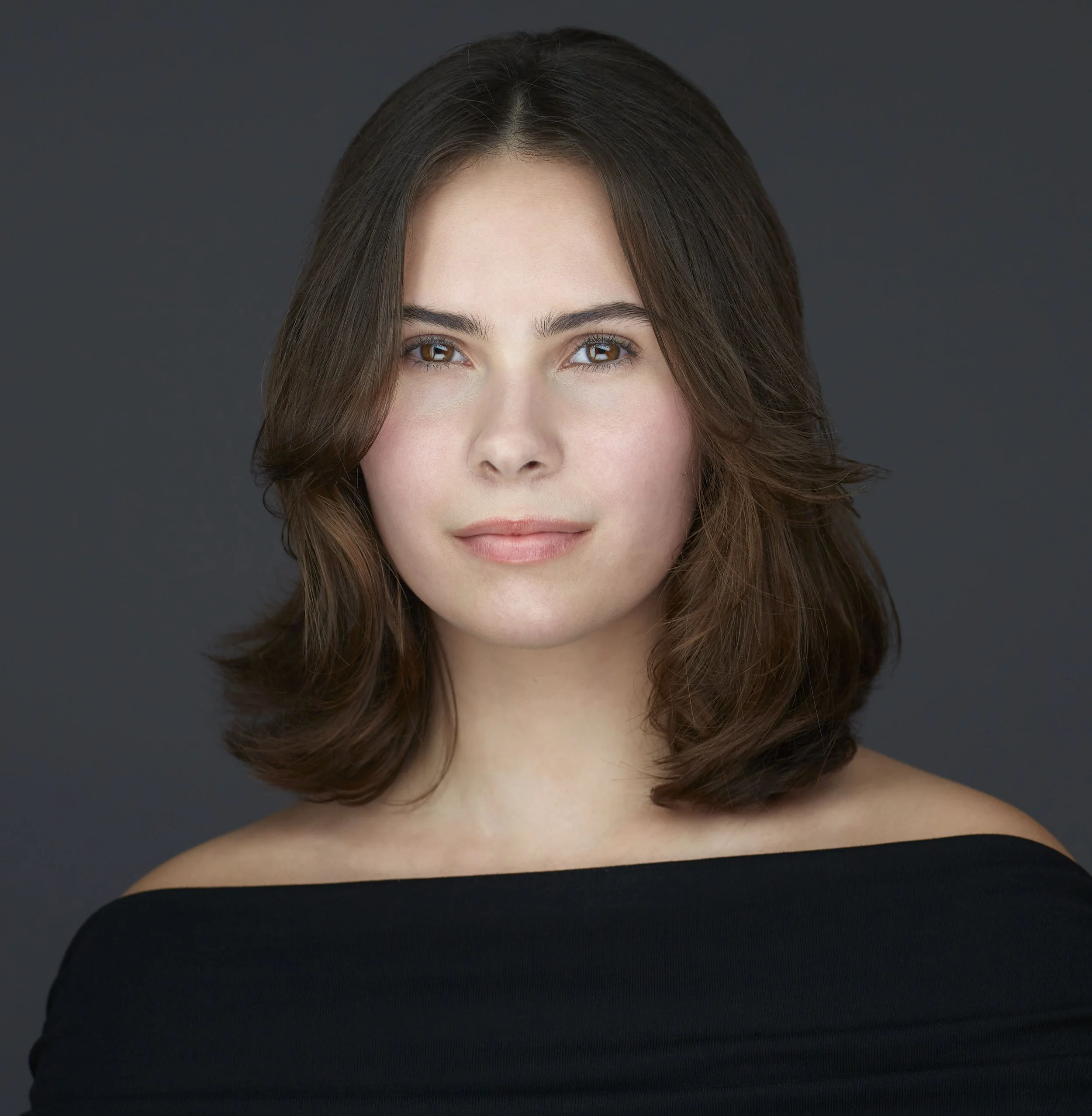
Most people, when left to their own devices in a headshot session, produce a version of themselves that is about 30 percent more tense, 20 percent more performative, and significantly less interesting than who they actually are in a room.
That is not a character flaw. That is just what cameras do to people who have not been coached through it.
What Actually Separates the Photos That Work
After photographing actors throughout Montgomery County, Maryland, Washington, DC, and Northern Virginia, one pattern has become clear.
The headshots that consistently connect with casting directors are not the ones where the actor was most prepared. They are the ones where the actor was most present.
There is a difference. Prepared means you wore the right outfit and showed up on time. Present means something is genuinely happening in the photo. Your eyes are doing something. The expression landed on a real moment instead of a rehearsed one.
That presence does not come from trying harder. It usually comes from being guided somewhere unexpected during the session, catching a real reaction, and having a photographer who recognized it and captured it.
Casting Relevance Is Not an Accident
A great headshot does not just show what you look like. It shows what you play.
That is a distinction a lot of actors underestimate. The goal is not to look attractive or polished or even likable in the abstract. The goal is to make the right casting directors think: yes, that is who I need for this role.
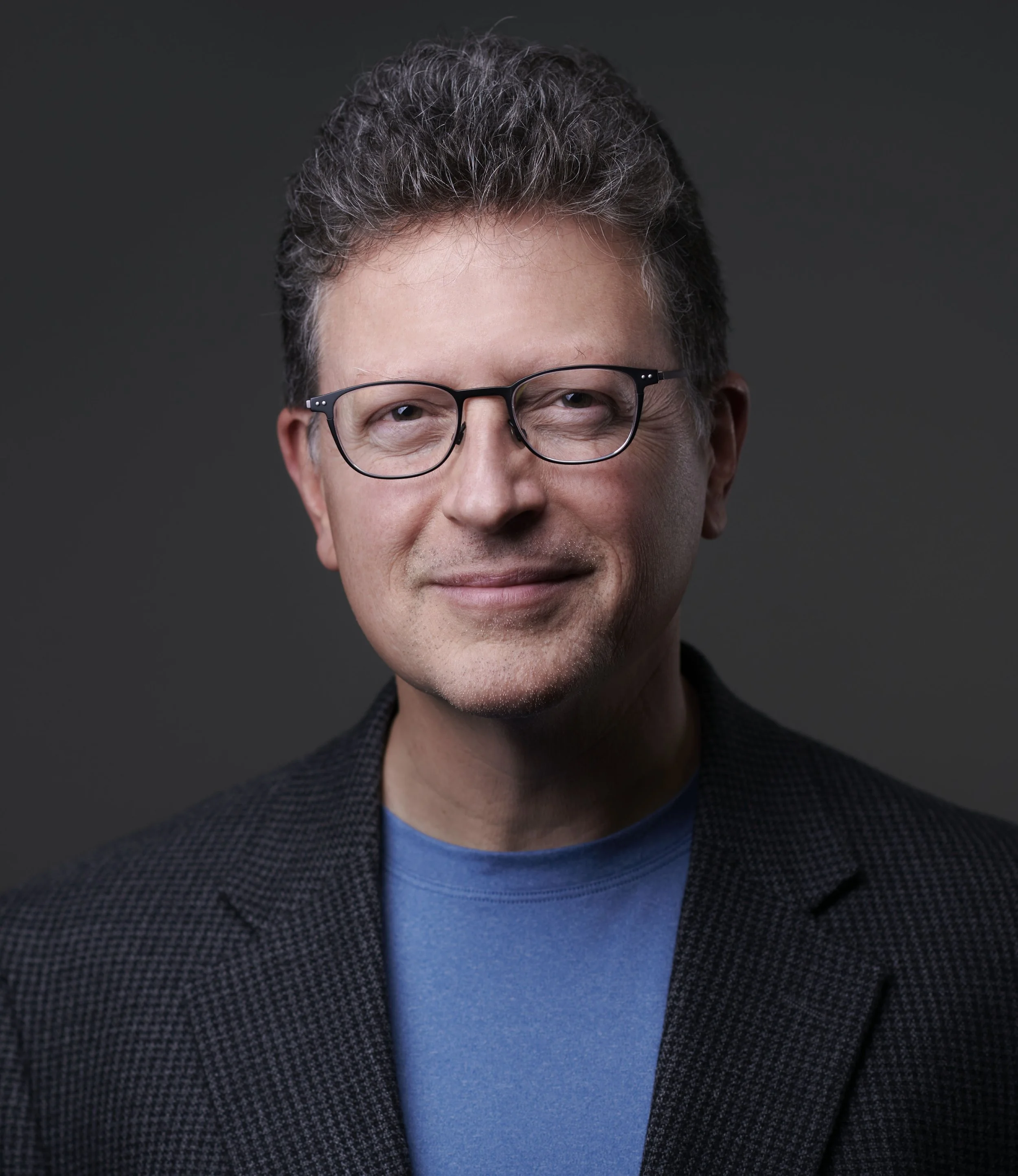
That requires knowing what you are going for before you walk into the session. What types are you reading for right now? What are you not getting called in for but should be? What does the version of you that books the job actually look like?
Those answers shape everything: the expression, the wardrobe, the mood of the shot. A session without that clarity tends to produce photos that are pretty but generic. Photos that fit no one's role specifically enough to matter.
The Technical Stuff Still Has to Be Right
This is not an argument against good lighting or proper framing. Those things matter.
A photo that is dark, blurry, or poorly cropped will not make it past the first look regardless of how alive the expression is. The technical foundation is non-negotiable.
But it is a floor, not a ceiling. Once the technical boxes are checked, everything that lifts a headshot from good to great happens in the expression, the presence, and the specificity of what the photo is communicating.
What to Look for When You Review Your Photos
If you are going through a gallery of your own headshots and trying to figure out which ones to submit, here is one honest question to ask:
Does this photo make someone want to know more about me?
Not: do I look good in this?
Not: is the lighting flattering?
Does the person in this photo seem like someone a casting director would want to bring into a room?
If the answer is yes, you have something great. If the answer is maybe or probably fine, you have something good. In an industry where first impressions matter, a headshot that truly stands out gives casting directors a stronger reason to take a closer look.
If you’re ready to update your actor headshots or create images that better reflect the roles you’re pursuing, learn more about my actor headshot sessions and what to expect before your session.