
It is one of the first questions that comes up before a session. Sometimes it comes up after actors review their gallery and wonder if they should have done more. Either way, it is worth having a clear answer before you show up.
The short answer is: it depends on where you are in your career and what you are actively submitting for. But most actors are either overthinking it or underthinking it, and both create problems.
What A "Look" Means
A look is not just a wardrobe change. That is one of the easiest ways to end up with four photos that are essentially the same image in four different shirts.
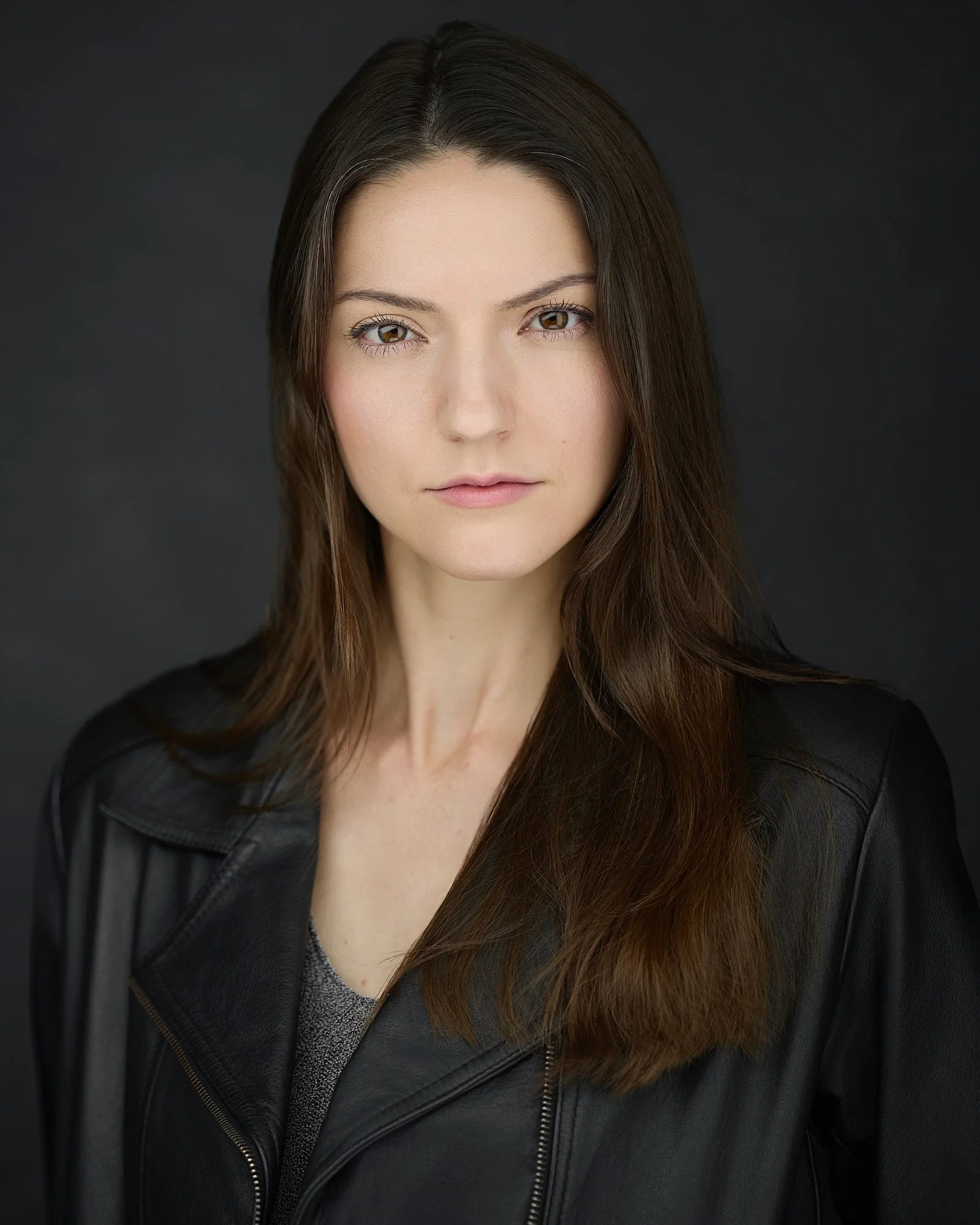
A real look can involve wardrobe, expression, backdrop, lighting, and the type of role you are trying to point toward. The goal is to create different, useful versions of you, not just more photos.
If you change your shirt but keep the same expression and the same energy, you have not given casting anything new to work with. You have just given them options for your headshot background.
A real look shift means something changes about who you are in the photo. The wardrobe reflects a different world. The expression carries a different weight. A casting director looking at your two commercial shots should immediately see two distinct, castable versions of you, not the same version of you in slightly different colors.
The Number Most Working Actors Land On
For most actors, two commercial looks and two theatrical looks are a solid working set. It gives you enough variety to cover the range of roles you are going after without creating a portfolio full of photos that start to look the same.
Two commercial looks give you room for some variation in energy and type without becoming unfocused. Friendly and relatable reads differently from polished and authoritative, even if both technically fall under the commercial umbrella. Those are two submissions worth having.
Two theatrical looks do the same thing on the drama side. The determined cop and the grieving father are both theatrical, but they live in different casting conversations. Two photos that clearly represent two different emotional registers are far more useful than one photo that tries to cover both.
When One Of Each Is Actually Fine
If you are just getting started, one strong commercial look and one strong theatrical look are a legitimate place to begin. It covers the basics and gives you something to submit.
You can add to your portfolio as your career develops and as the types of roles you are pursuing change.
When More Looks Start Working Against You
There is a version of this where actors come in wanting six commercial looks and five theatrical looks. It sounds thorough, but it usually is not.
The problem is focus. When you are trying to show everything, you often end up showing nothing clearly. A smaller, sharper set of images that each represent something specific will do more for you than a large set of images that blur together.
More is not a strategy. More only works when each additional look is clearly distinct and clearly castable.
The Decision Casting Makes Before You Walk In
Every headshot you submit is making an argument before you say a word. It is telling casting: this is the kind of person I play, this is the world I belong in, this is who you are going to get in the room.
If your looks are not doing that clearly, it does not matter how many you have. And if your looks are doing that clearly, you probably do not need as many as you think.
The question to ask yourself about each look is not "does this look good?" It is "is this pointing at something specific that casting can use?" If you cannot answer that, the look probably should not be in your submission set.
Deciding Which Looks To Prioritize
Start with what you are reading for right now and what you would like to be reading for. Those are the conversations we have before the session. What direction do you want to go in your career? What kinds of roles do you want to be landing? Those answers help determine which looks make sense for you.

Your headshots should reflect the roles you are pursuing while giving you room to show where you want to grow.
If you are getting called in for light comedic commercial work and supporting drama roles, those are your looks. Build from what is working.
If you are not sure, think about the five or six types you get told you are right for. Look for the ones that feel distinct enough to deserve their own image. That usually gives you a clear sense of what your set should include.
What This Looks Like Going Into A Session
Before we start shooting, the conversation is about what you are actually submitting for and what you would like to be submitting for. That shapes the looks we plan, from wardrobe selection to expression coaching.
The goal is not to document as many looks as possible in the time we have. The goal is to walk out with a focused set of images that each do something specific for your career. That is a different objective, and it changes how we use the session.
If you are not sure how many looks make sense for where you are right now, reach out before you book. It is a quick conversation and it will save you from showing up unprepared.
Ready when you are.
See pricing and actor headshot sessions
Frequently Asked Questions
Can I use the same headshot for both commercial and theatrical submissions?
You can, but you are usually better off submitting the image that matches the type of role you are going after. Commercial and theatrical headshots serve different purposes, so using the right one for the right submission gives casting a clearer idea of what you can play.
Do I need different looks if I am signed with more than one agency?
Not necessarily different looks, but your agencies should be consulted. Some agents have specific preferences about what they want to submit. If you are signed with a commercial agency and a theatrical agency separately, it is worth asking each of them what is working in their submissions and what they want to see from you. Your headshot set should reflect that feedback, not just your own sense of what looks good.
What if I only do commercial work? Do I still need theatrical headshots?
If commercial work is the only type of work you are pursuing right now, you may not need theatrical headshots right away. But if you also want to pursue film, television drama, or stage work, having theatrical images gives you the right tool for those submissions.
The important thing is to build your headshot portfolio around the work you actually want to pursue.
Can I add more looks later, or do I need to get them all at once?
You can absolutely build your portfolio over time. A lot of actors start with one or two looks and add as their career develops or their type shifts. The only downside to splitting sessions is that your looks may not feel cohesive across different shoots, different lighting setups, or different points in time when your appearance has changed. If budget is the reason you are splitting it up, that is a completely valid call. Just be aware that a new session down the road starts fresh, not as a continuation.
How do I know when one of my looks has stopped working?
A good place to start is whether the photo still looks like you and still represents the roles you are pursuing. If your appearance has changed, your headshots no longer look like you, or your career has moved in a different direction, it may be time to update them.
You do not need to replace a headshot simply because you have not booked something recently. Look at whether the images are still doing the job you need them to do.
Do I need separate headshots for self-tape submissions versus in-person auditions?
No. You do not need a separate headshot just because an audition is a self-tape. Your headshot should accurately represent what you look like now and the types of roles you are pursuing. Where actors run into trouble is when their headshots no longer look like them, whether because of time, style changes, or heavy retouching. The photo should look like you on a great day, not like a different person entirely.