
Commercial vs Theatrical Headshots: What Every DC and Maryland Actor Needs to Know
If you have been doing this for a while, you most likely know the difference. But if you are newer to the acting industry, or you have been submitting with one set of photos and wondering why callbacks feel inconsistent, this is worth reading.
Most actors need both types of headshots. Showing up to auditions with only one kind is like having half a resume. This breaks down what each one is, what it should look like, and why the difference matters more than most photographers will tell you.
What commercial headshots are for?
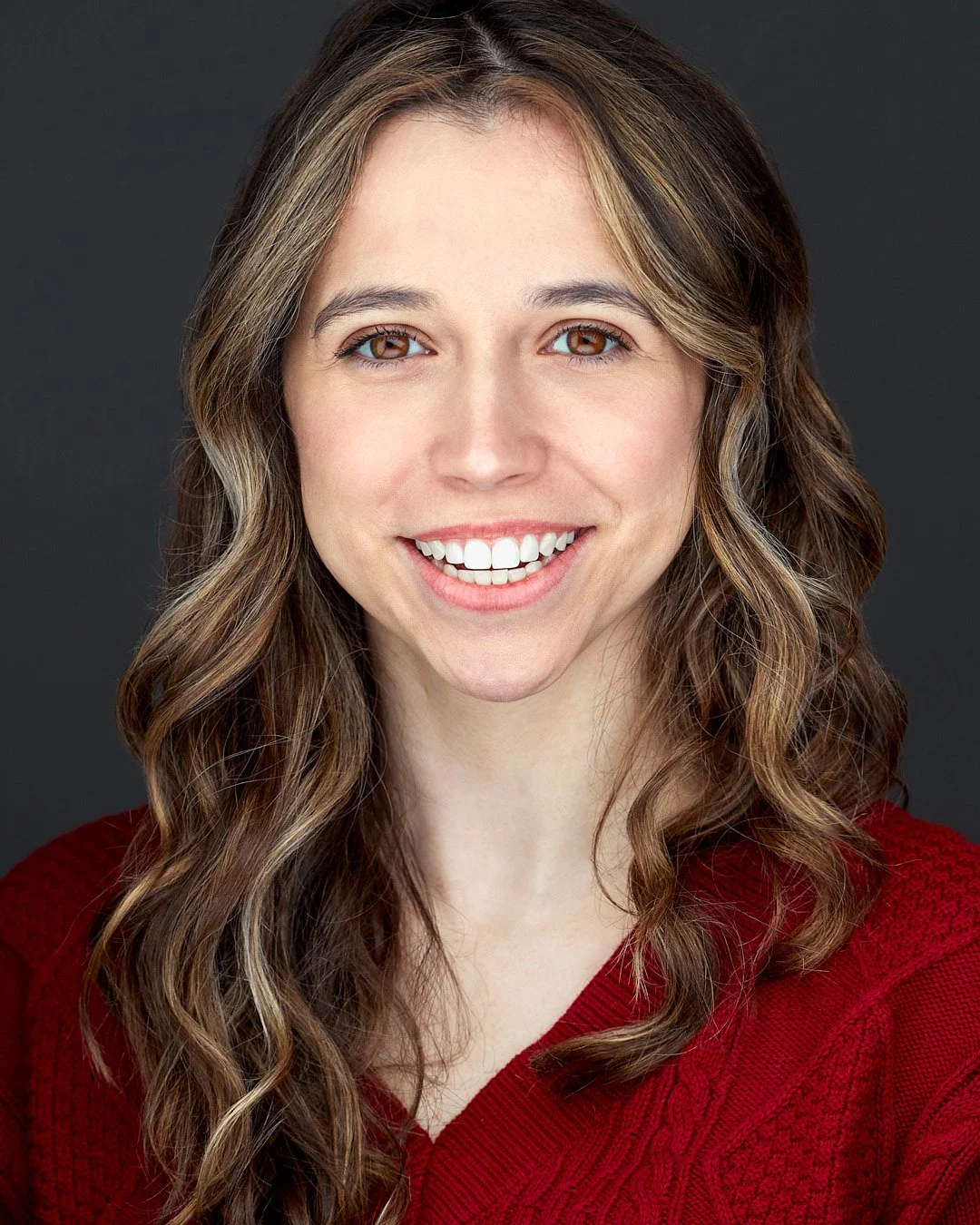
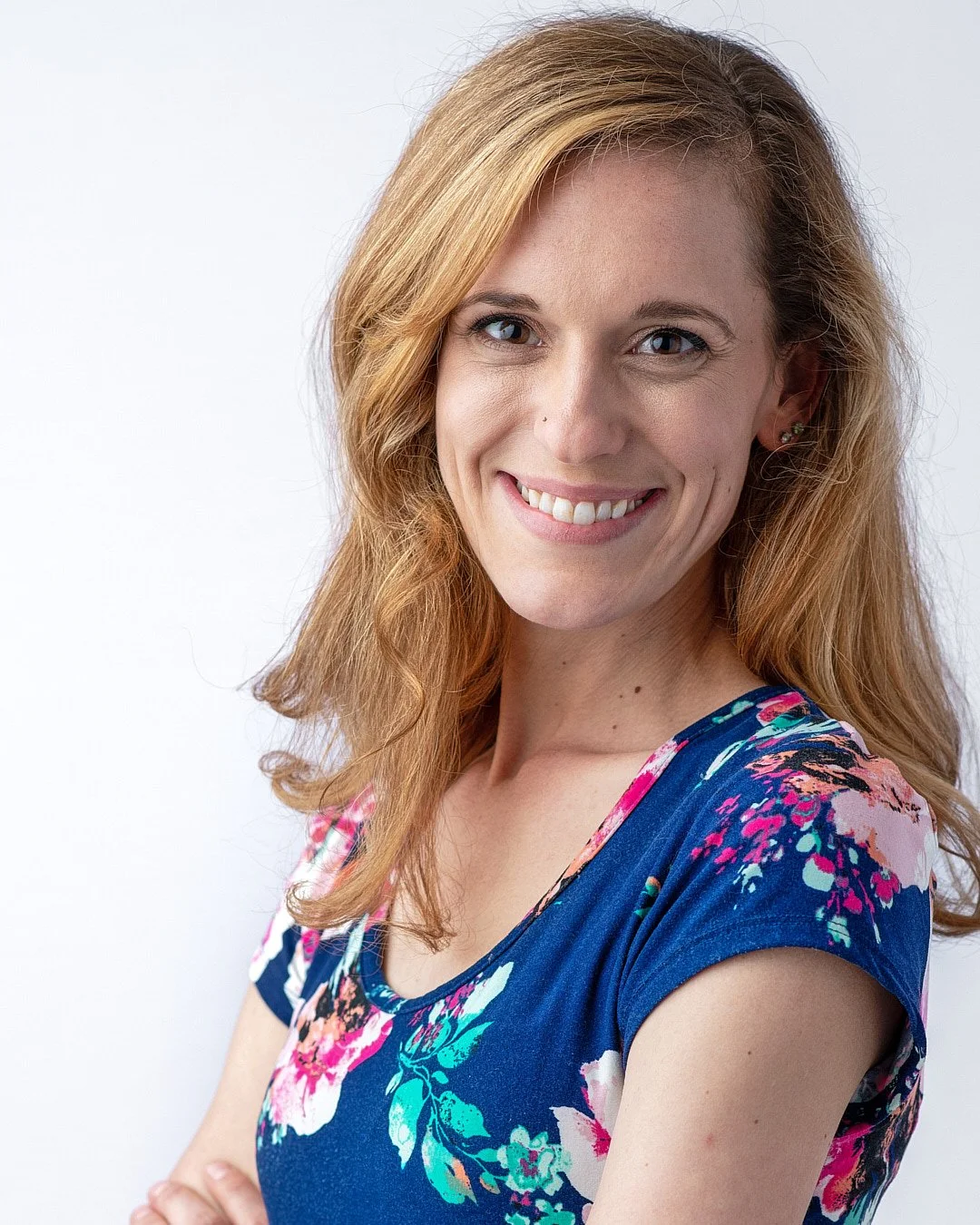
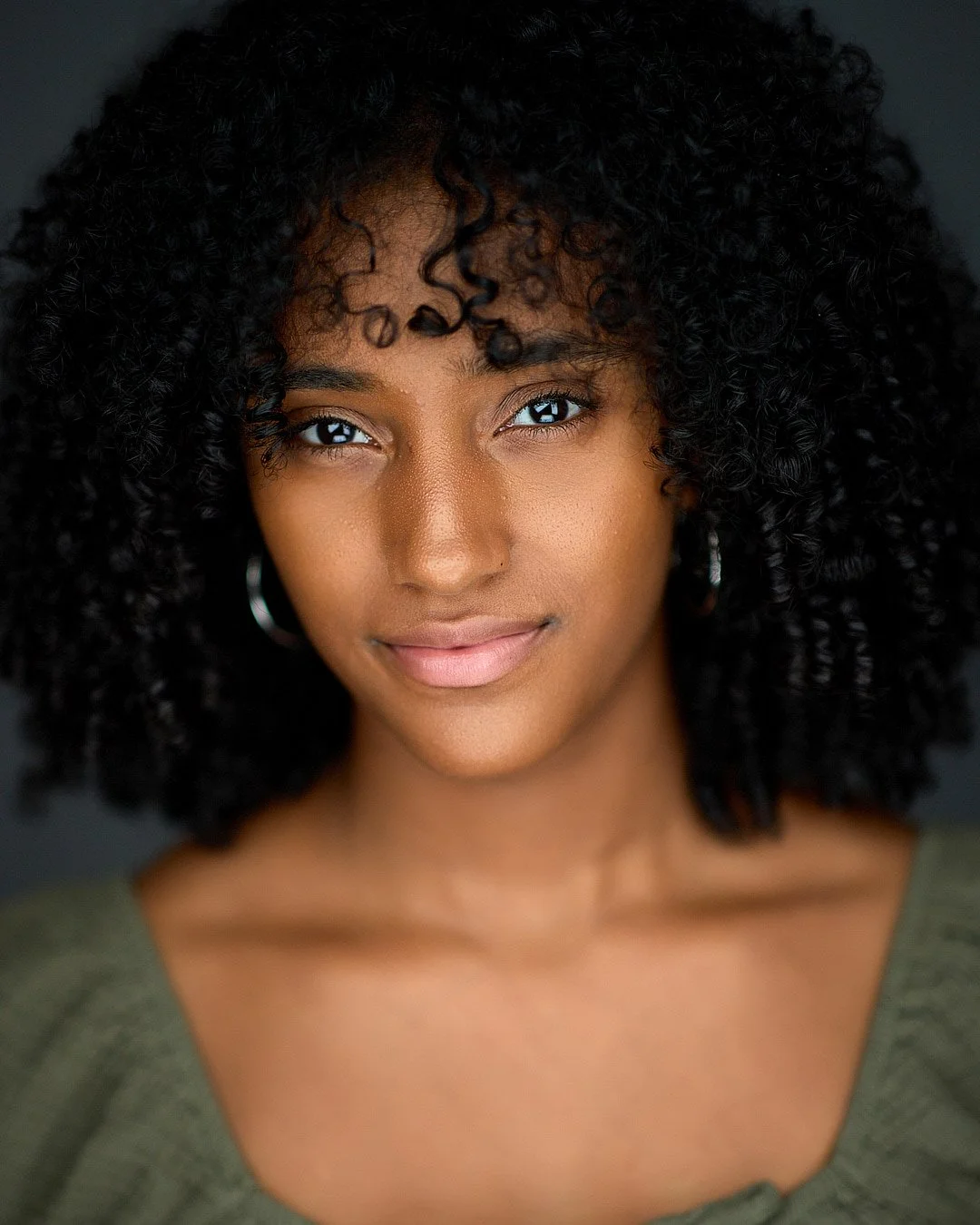
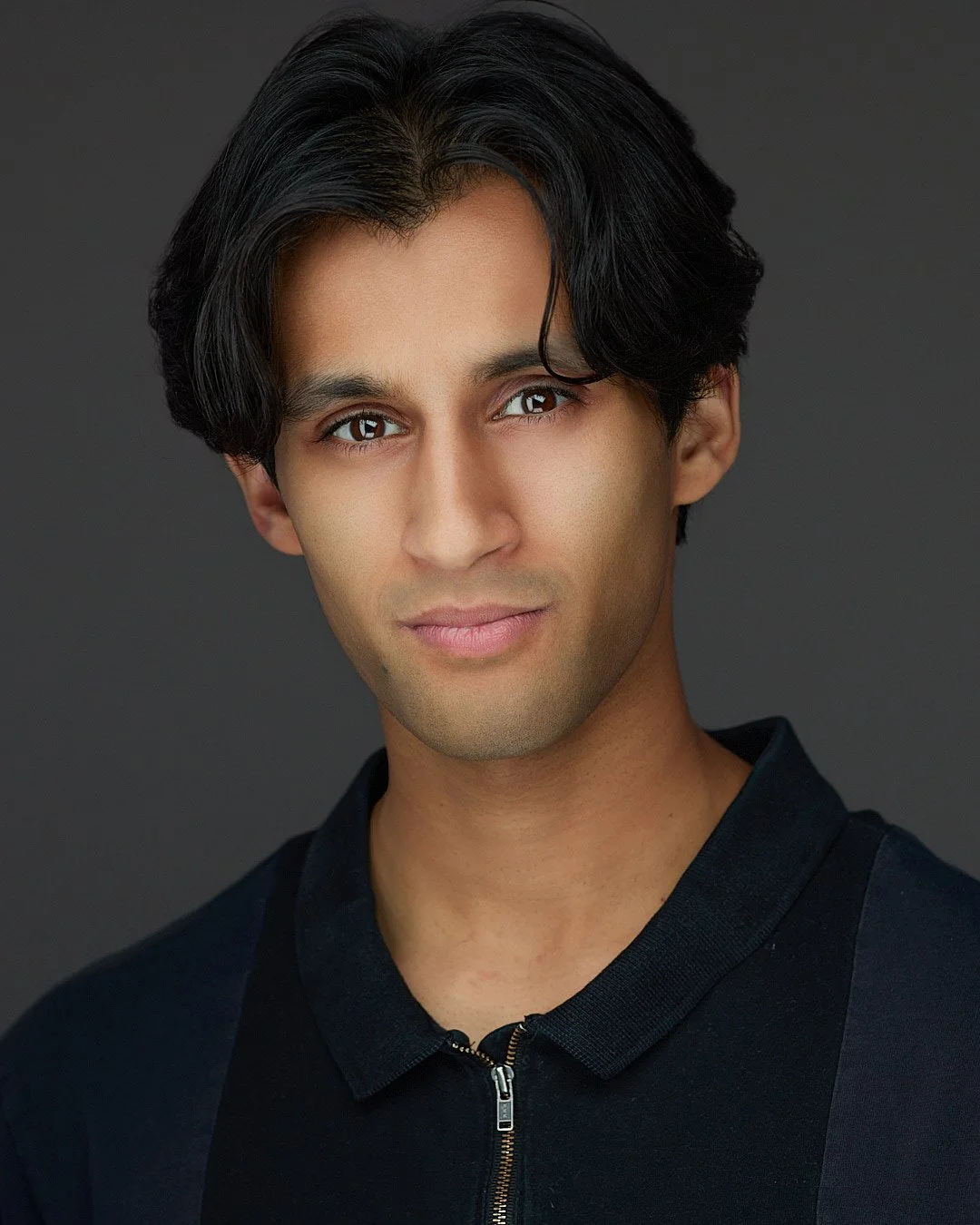
Commercial headshots are warmer, more approachable, and more relatable. Think the friendly doctor in the insurance ad, or the confident professional in the financial services spot, the neighbor you would actually want to talk to. These are the images that get you called in for commercials, corporate video work, industrials, and lighter TV roles.
The expression in a commercial headshot is usually open and inviting and less edgy or moody. A genuine smile or at least the suggestion of one. . Someone casting a national commercial is looking for a face that plays well across demographics, that feels familiar without being generic.
Wardrobe for commercial shots tends to be cleaner and more neutral. Solid colors that do not distract. Wardrobe that suggest a type without locking you into one specific role. You want the casting director thinking about the character, not the outfit.
What theatrical headshots are for
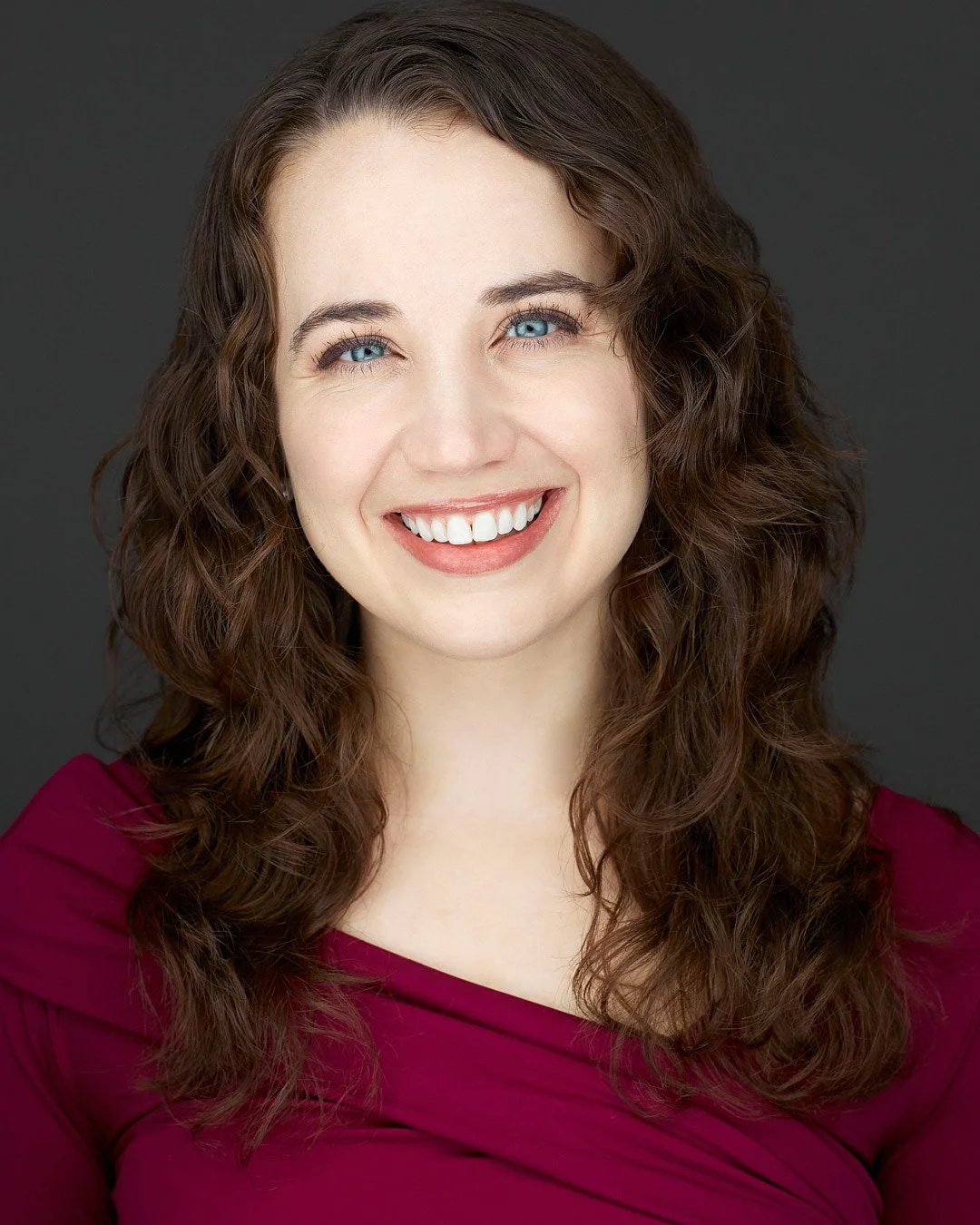
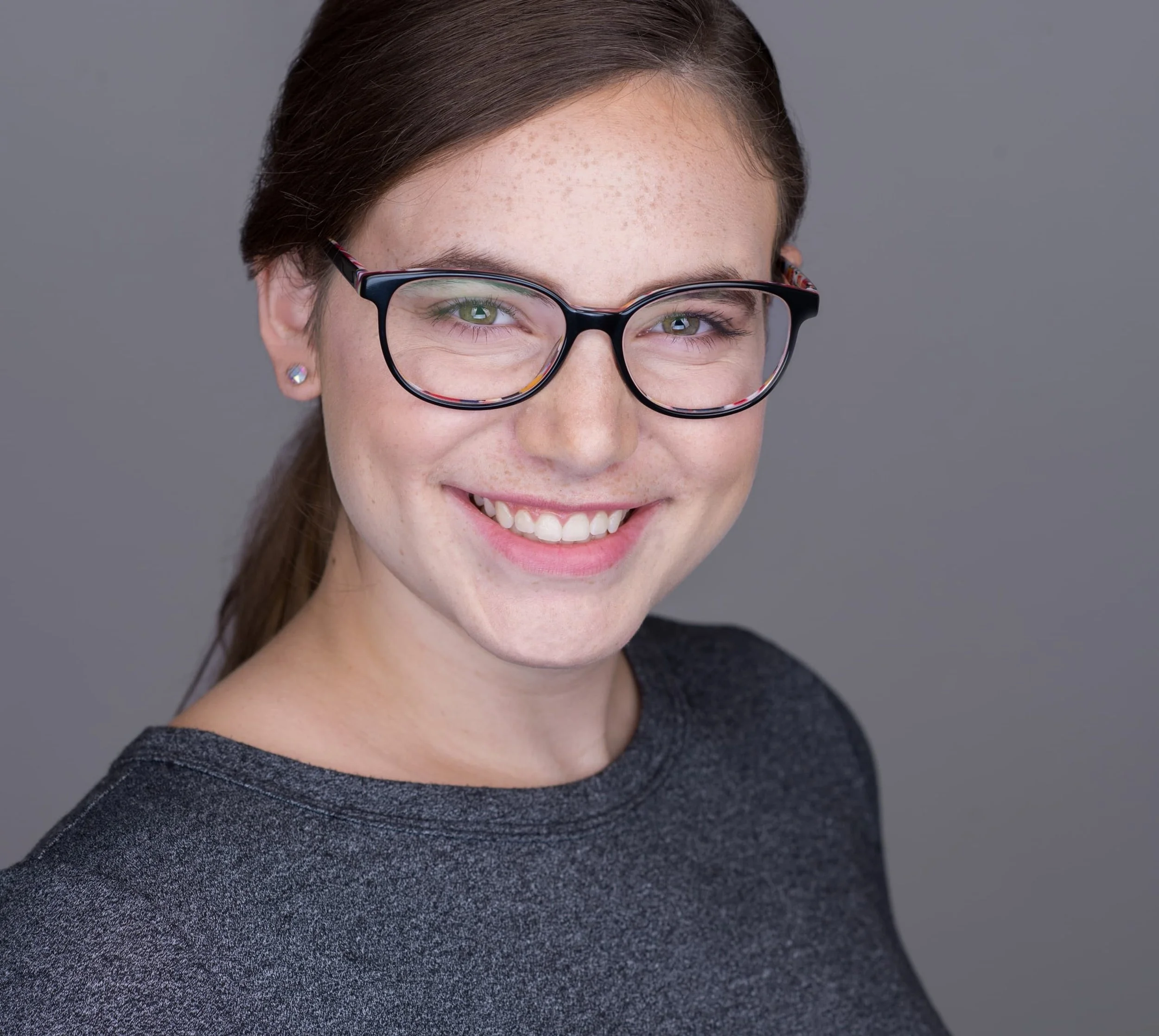
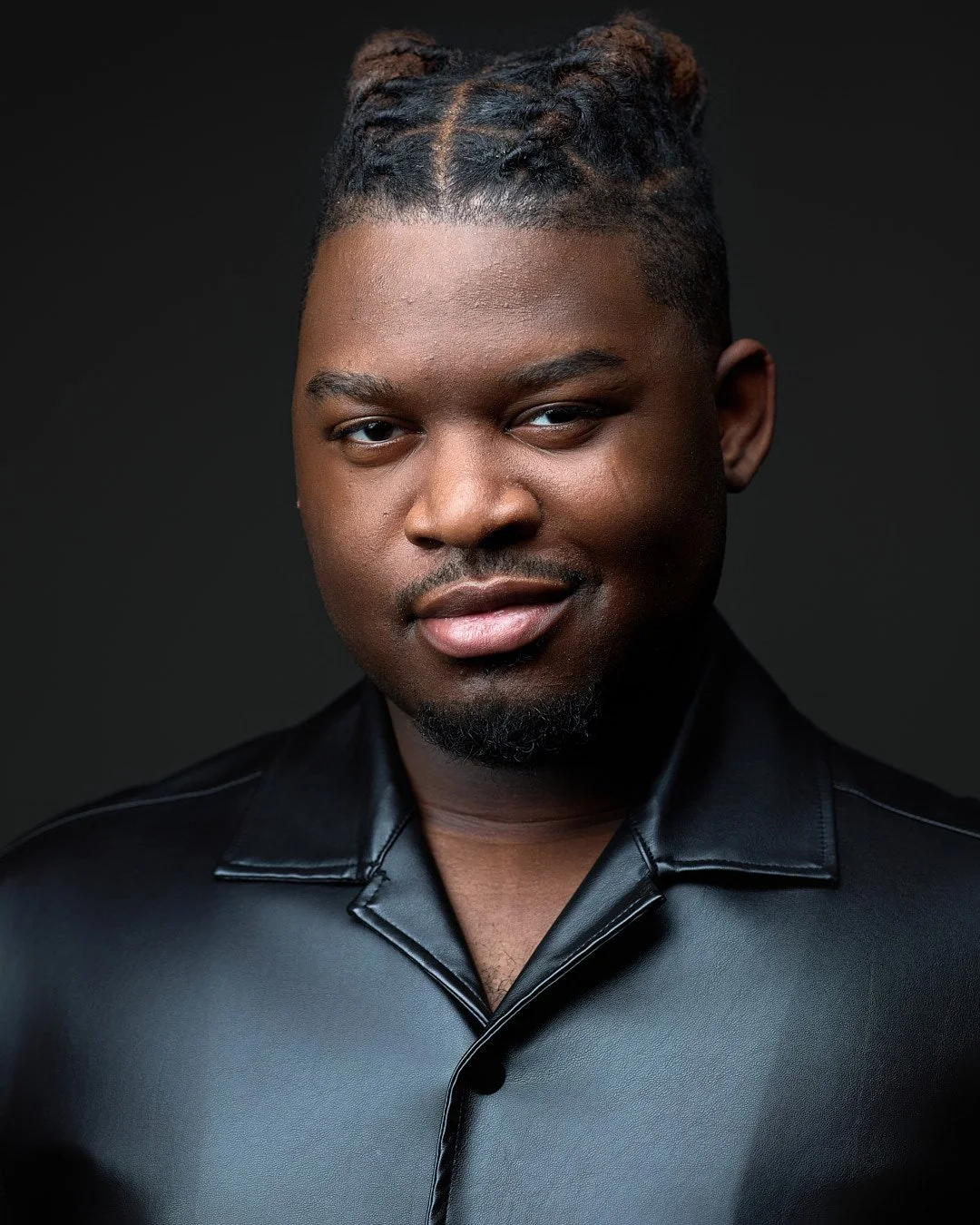
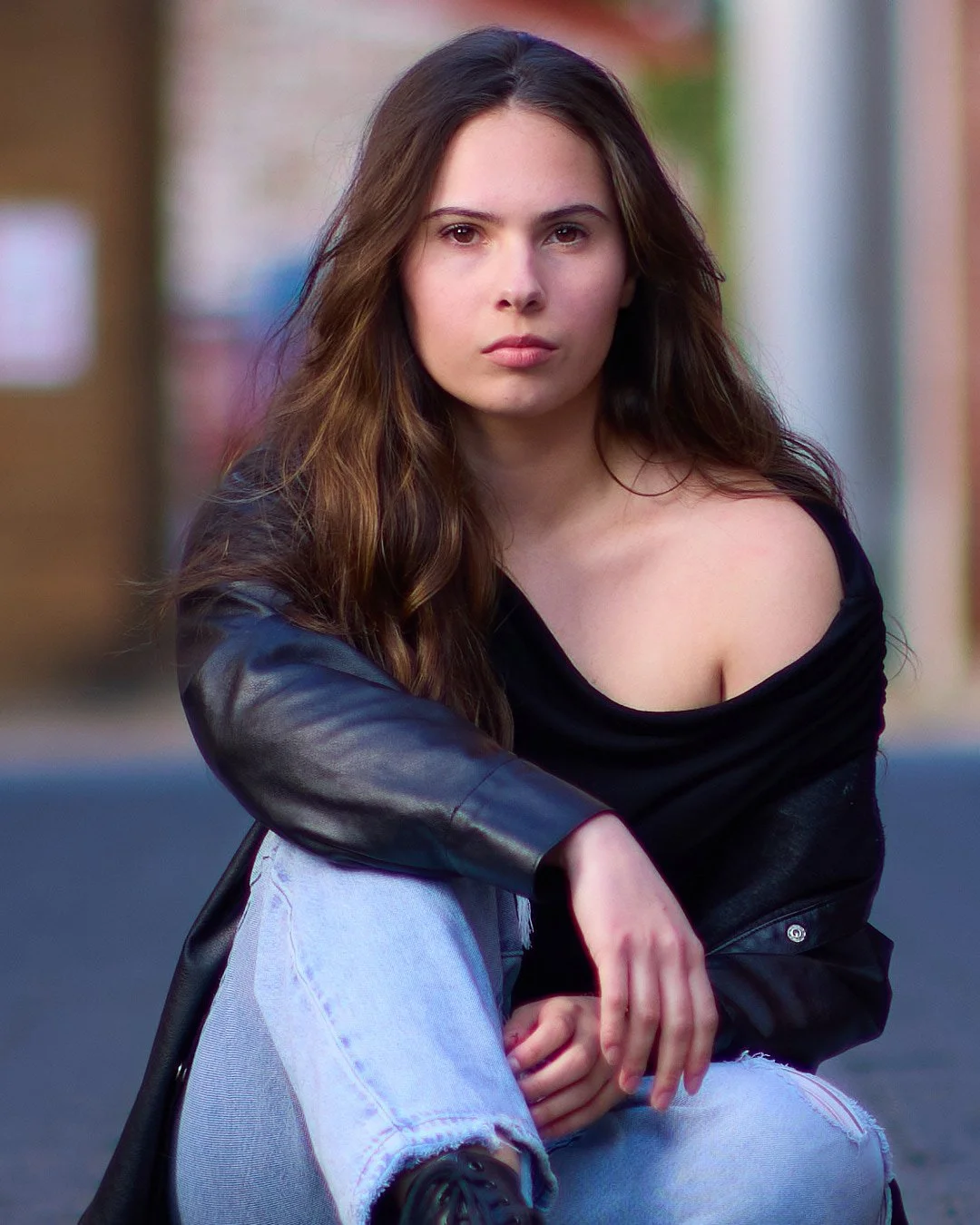
Theatrical headshots are more specific and character-driven. More intensity, more edge, more range. These are the images that show casting directors what you can actually play, not just who you seem like at first glance.
Film, TV drama, and stage productions are looking for something different than a commercial smile. They want to see depth. A theatrical headshot should hint at the emotional range you can bring to a room. That does not mean moody for the sake of moody. It means intentional.
The expression is usually more complex. Not a full smile, not a scowl. Something in between that invites a question. Who is this person? What is going on behind that look? That is what keeps a casting director looking.
Wardrobe can be a little more specific here. If you are reading for law and order types, dress like someone who belongs in that world. If you want to play the conflicted father in a drama, that informs the look. The goal is to help casting directors see you in the role before you have said a word.
Why most actors need both
Here is the simple version. Commercial submissions and theatrical submissions go to different people, sometimes through different agencies, and they are evaluated with completely different criteria.
If all your headshots are warm and approachable, you are invisible to the casting director looking for the morally complex detective. If all your headshots lean dark and edgy, the commercial agent is going to pass right over you for the insurance ad.
Submitting only one type of headshot is not playing it safe. It is cutting your opportunities in half.
How many looks do you actually need?
For most actors, two commercial looks and two theatrical looks is a solid working set. That gives you enough variety to cover the range of roles you are going after without overwhelming casting with options.
Within those looks, you want variety in expression and wardrobe, not just two nearly identical photos with a slightly different smile. Think about the range of types you play and make sure each photo is clearly pointing at a specific one.
If you are just starting out and budget is a concern, one strong commercial look and one strong theatrical look gets you in the door. You can always start build the rest of your portfolio as you go.
What this looks like in a session
Before we start shooting, I want to know what you are reading for right now and what you want to be reading for. That conversation shapes everything we do in the session.
We go through the outfits you brought, figure out the best options for each look, and then I coach expression and posing throughout the entire session. We shoot to a large monitor so you can see what we are getting in real time and make adjustments on the spot.
The goal by the end of the session is a set of images that covers your actual range, not just one expression repeated across different outfits. You should leave with photos that work hard for you across every submission.
How to prepare for acting headshots
Getting actor headshots in the DC and Maryland area
Most of the established acting headshot photographers in this market are based in DC proper or Northern Virginia. If you are in Montgomery County, Rockville, Germantown, or anywhere up the I-270 corridor, that means a longer drive and a more complicated day.
My studio is in Clarksburg, Maryland, with a Rockville location available for those closer to the beltway. Sessions are fully guided, studio and outdoor options are both available, and I work with actors at every stage of their career from first-timers to working professionals updating their look.
If you have questions about which type of session makes sense for where you are in your career, reach out before you book. Happy to talk it through.
Ready to book your session?
Actor headshot sessions are available at my Clarksburg studio and at a Rockville location. Serving Washington DC, Montgomery County, Northern Virginia, and the greater DMV area.
See my actors headshots page for more information
To book a session with me click below