
Makeup for Headshots
Makeup for Your Headshot Session — What Actually Works and What Doesn't
Let me be upfront, I'm a photographer, not a makeup artist.
But after photographing hundreds of professionals across Montgomery County, Rockville, Bethesda, and Washington DC, I've seen exactly how makeup choices affect headshots. I've seen sessions saved by the right foundation choice and sessions complicated by contouring that looked great in the mirror but read completely wrong on camera.
This isn't beauty advice. It's camera advice, from the person standing behind the lens.
Why Makeup Matters More in Headshots Than in Real Life
A camera sees differently than the human eye. Studio lighting — especially strobe lighting — flattens depth, amplifies shine, and picks up texture that's invisible in normal light. Something that looks perfectly blended in your bathroom mirror can look completely different under a 600-watt strobe.
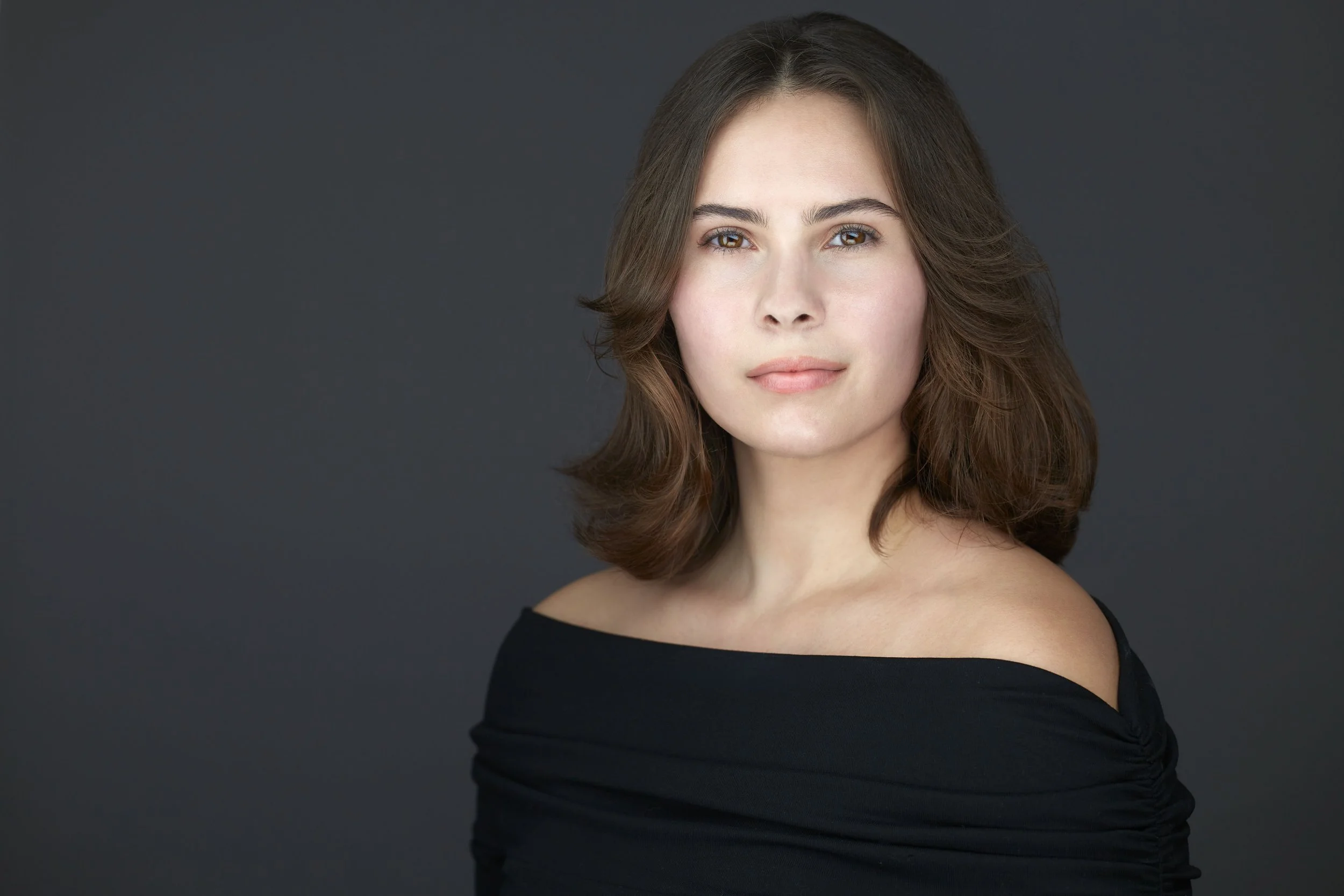
The goal of makeup for a headshot isn't to look done up. It's to look like yourself — just camera-ready. There's a meaningful difference between those two things.
What Works — The Do's
Start with skincare not makeup. Your foundation is only as good as what's underneath it. A good moisturizer applied 20-30 minutes before you start your makeup routine gives your skin a smooth, hydrated base that photographs significantly better than dry or flaky skin under foundation.
Choose a lightweight foundation that matches your skin tone exactly. Heavy full-coverage foundations flatten your features and can look mask-like under studio lighting. A sheer or medium-coverage foundation that lets your skin show through reads as natural and three-dimensional on camera. When in doubt go lighter — you can always build coverage but you can't undo the flat, heavy look once it's on.
Use concealer strategically. Under-eye circles, blemishes, and redness are worth concealing — the camera will pick them up even when they're barely visible in person. The key is blending. A visible concealer line is worse than what it's covering.
Keep eye makeup natural and defined. Neutral eyeshadow shades that complement your skin tone, mascara applied carefully to define your lashes without clumping, and eyeliner used to enhance rather than dominate. Your eyes should draw the viewer in — not stop them in their tracks before they see your expression.
Soft lip colors photograph beautifully. Soft pinks, peaches, nudes, and muted roses all work well. They add polish without competing with your eyes and expression for attention. If you don't normally wear lipstick bring a clear or tinted gloss — it adds just enough definition to keep your lips from disappearing in photos.
Set with translucent powder — especially on your T-zone. Shine is the enemy of a clean headshot. Studio strobes hit shine hard and turn what looks like a healthy glow into a distracting bright spot right in the center of your face. A light application of translucent powder on your forehead, nose, and chin makes a significant difference. Bring it with you for touch-ups between outfit changes.

What Doesn't Work — The Don'ts
Heavy contouring reads as muddy on camera. Contouring works in real life because it mimics natural shadow. Under studio lighting those natural shadows already exist — adding heavy contouring on top creates an over-sculpted look that reads as unnatural in photos. Keep contouring minimal or skip it entirely.
Shimmer and glitter reflect light in all the wrong ways. Anything with shimmer, glitter, or metallic finish will catch studio light and create unpredictable bright spots on your face. Stick to matte or subtle satin finishes for your headshot — you can save the shimmer for evenings out.
Overlined lips look exactly like overlined lips in photos. The camera sees lip liner clearly. Stick to your natural lip shape — anything outside it will be obvious and distracting.
Smokey eyes overpower the expression. A smokey eye is designed to be the focal point of a face. In a headshot your expression is the focal point — specifically your eyes and the warmth or confidence they communicate. Heavy eye makeup competes with that. Keep shadow soft and neutral.
Bold dark lip colors shift the focal point downward. Deep reds, burgundies, and dark plums draw the eye immediately to your mouth rather than your eyes. In a headshot that's the wrong place for the viewer's attention to land first.
Excessive highlighter creates shine not glow. A little highlighter on the high points of your face looks beautiful in person. Under studio lighting it becomes a shiny spot on your cheekbone. Use it very sparingly or skip it for your session.
A Few Practical Tips for Session Day
Arrive with your makeup already done — I don't have a makeup station at the studio. Give yourself extra time that morning so you're not rushing.
Bring your translucent powder for touch-ups. Sessions typically run 45-60 minutes and between the studio lighting and normal nerves some shine will appear. A quick touch-up between looks keeps everything fresh.
Bring your lip color for touch-ups as well. Talking, drinking water, and general session activity will wear it down.
If you're unsure about anything bring options and we'll figure it out together before we start shooting. I'd rather spend two minutes on that conversation than discover a problem in the images later.
The Bottom Line
The best makeup for your headshot is the makeup that makes you look like yourself — polished, confident, and camera-ready without looking like you're wearing a costume. When in doubt err on the side of less. The camera picks up everything and simplicity almost always wins.
Preparing for your session? Read about what to wear for a professional headshot — the outfit choices that photograph well and the ones that don't.
Ready to book your headshot session in Montgomery County MD? Click below